On September 5, 2025, the 7th China (Chongqing) International Plastics Industry Exhibition grandly opened at the Chongqing International Expo Center. Themed "New Quality Leading, Innovation Empowering," the exhibition brought together over 300 leading companies from across the global plastics industry, covering nine core areas: plastics processing machinery, intelligent automation equipment, and green environmental protection technologies. Bole Intelligent Equipment Co., Ltd. made a stunning appearance with its star product, the EVOlution hybrid intelligent injection molding machine, and engaged in in-depth collaborations with leading manufacturing companies in central and western China to explore new paths for high-quality development in the plastics industry.
2025-09-19

On August 27, 2025, Bole Intelligent Equipment Co., Ltd. and Ningbo Kaiqi Magnesium Technology Co., Ltd. held a grand strategic cooperation signing ceremony and jointly celebrated the opening ceremony of Ningbo Kaiqi Magnesium. This cooperation marks the beginning of a stage of deep collaboration between the two parties in the fields of magnesium alloy material research and development and high-end equipment manufacturing, injecting new momentum of "Made in China" into the global lightweight industry.
2025-09-19
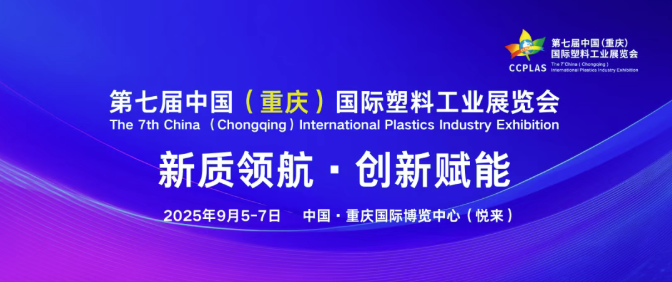
The 7th China (Chongqing) International Plastics Industry Exhibition will grandly open at the Chongqing International Expo Center from September 5th to 7th, 2025. Themed "New Quality Leading, Innovation Empowering," this exhibition will focus on technological innovation across the entire plastics industry chain, showcasing cutting-edge "intelligent transformation and digital transformation" solutions and low-carbon practices. Bole Intelligent, a leading domestic company in high-end injection molding and magnesium alloy molding equipment, will showcase its EVOlution hybrid intelligent injection molding machine at the exhibition, offering the industry efficient, environmentally friendly, and lightweight solutions.
2025-09-19
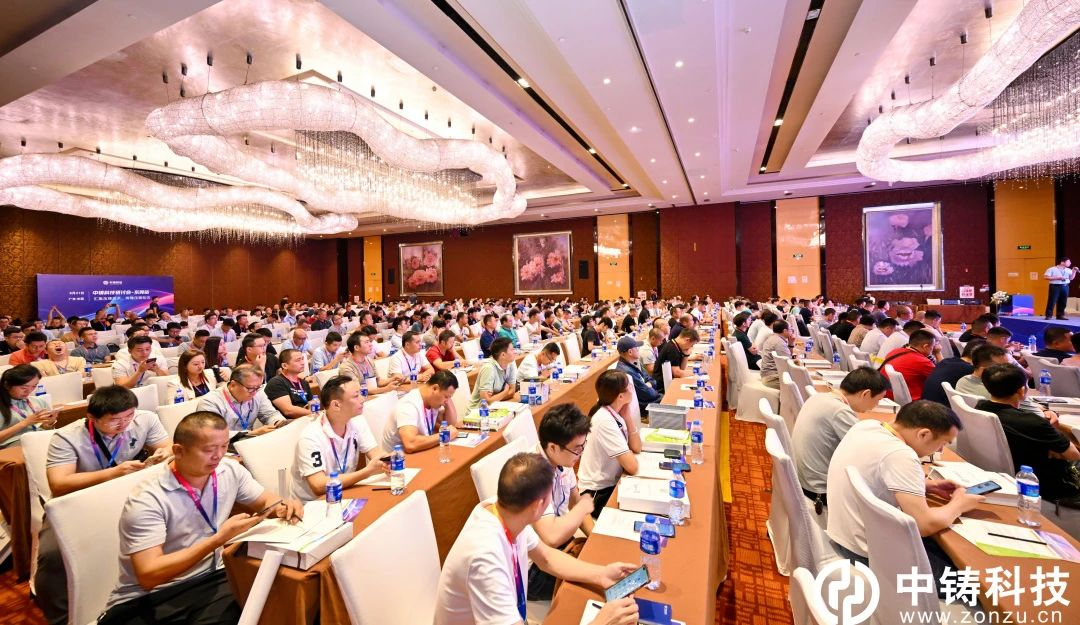
On Saturday, August 23, 2025, the "Zhongzhu Technology Seminar (Dongguan)" will be held at the Mels Wilton Hotel in Humen, Dongguan. Sponsored by Zhongzhu Technology and co-sponsored by Bole Special Steel (Shanghai) Co., Ltd. and Magma (Ningbo) Software Technology Co., Ltd., the seminar will be held at the Mels Wilton Hotel in Humen, Dongguan. As a high-end technical exchange event for the die-casting industry, the conference is expected to attract 600 industry experts, corporate representatives, and technical elites to discuss the latest technologies and development trends in the die-casting industry.
2025-08-19
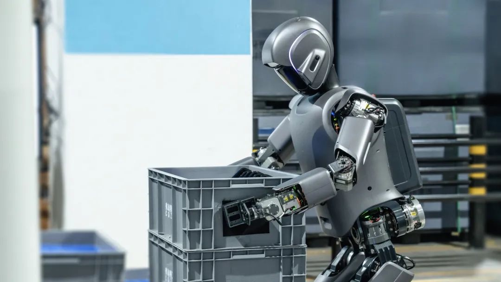
Humanoid robots are rapidly evolving, and lightweighting is the prevailing trend. Early development began in the 1960s, and with technological advancements, robots have acquired the ability to independently perform complex movements. Humanoid robots are composed of four major modules: perception, decision-making, control, and execution. The execution module, similar to human muscles, is responsible for limb movement. To achieve high flexibility and human-like movements, lightweight design can significantly reduce the load on the drive system, improve load-bearing capacity, while also reducing power consumption and extending lifespan, making it crucial for performance improvement and commercialization. Magnesium alloys, with their unique performance advantages, are quietly emerging in the field of humanoid robots.
2025-08-19
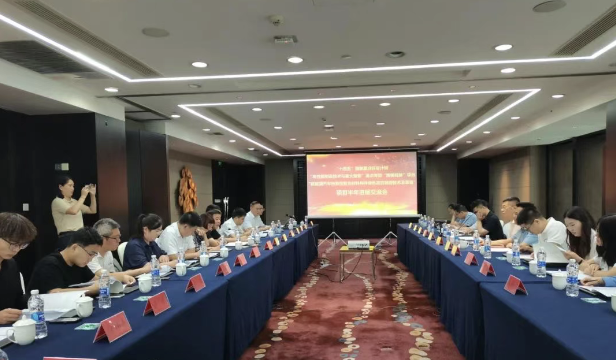
To efficiently advance the implementation of the key project "High-Performance Manufacturing Technology and Major Equipment" within the National Key R&D Program and ensure the high-quality completion of the "Green and Efficient Manufacturing Technology and Equipment for Thermoplastic Composite Components of New Energy Vehicles" project, the project team will hold the 2024 Mid-Term Project Promotion Meeting at Bole Intelligent Equipment Co., Ltd. on July 30, 2025. This meeting, hosted by Bole Intelligent Equipment Co., Ltd. and coordinated by Zhuzhou Times New Materials Technology Co., Ltd., the project lead, aims to summarize the project's interim achievements and deploy key R&D tasks for the next phase.
2025-08-06